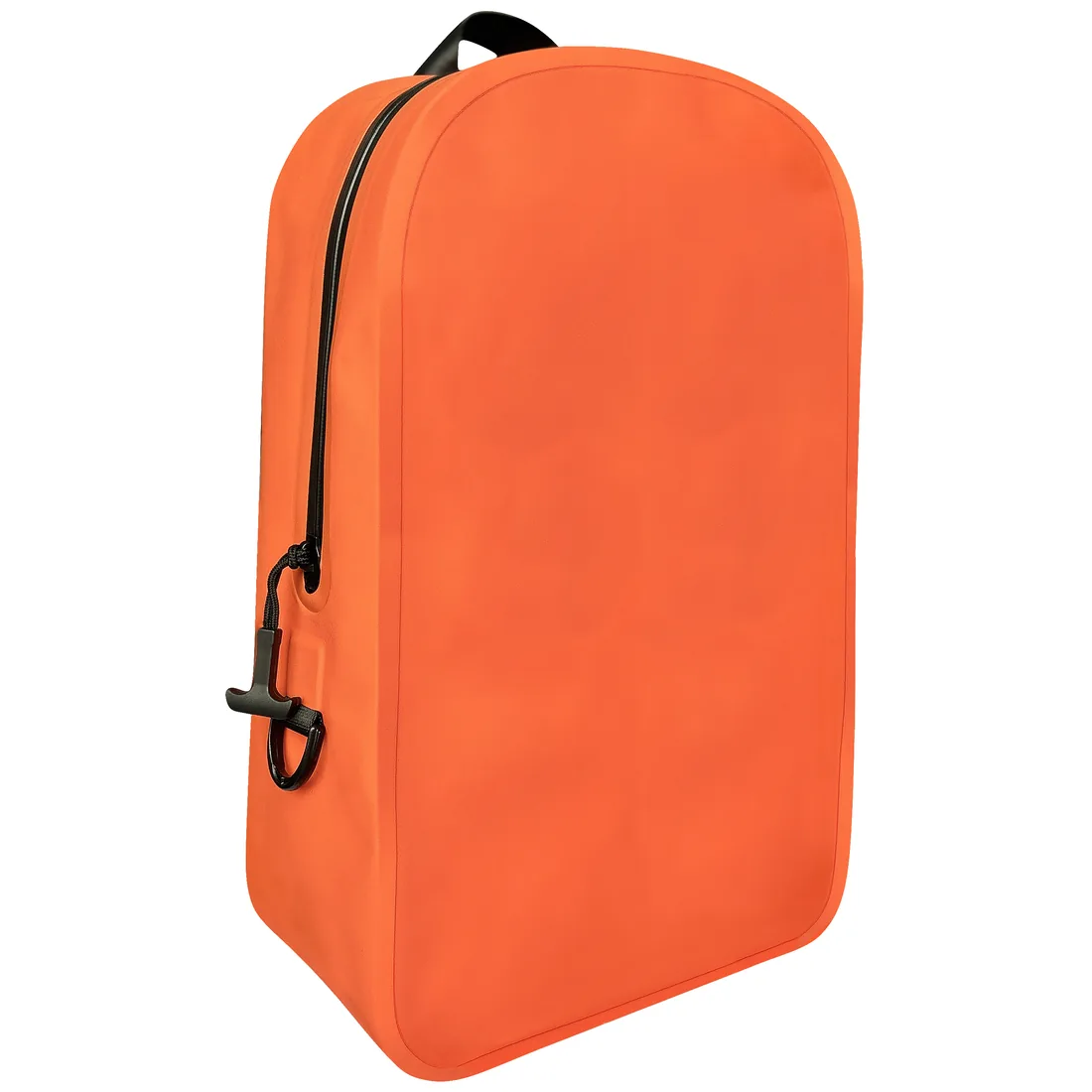
Backpack WaterProof
描述
Key structural features
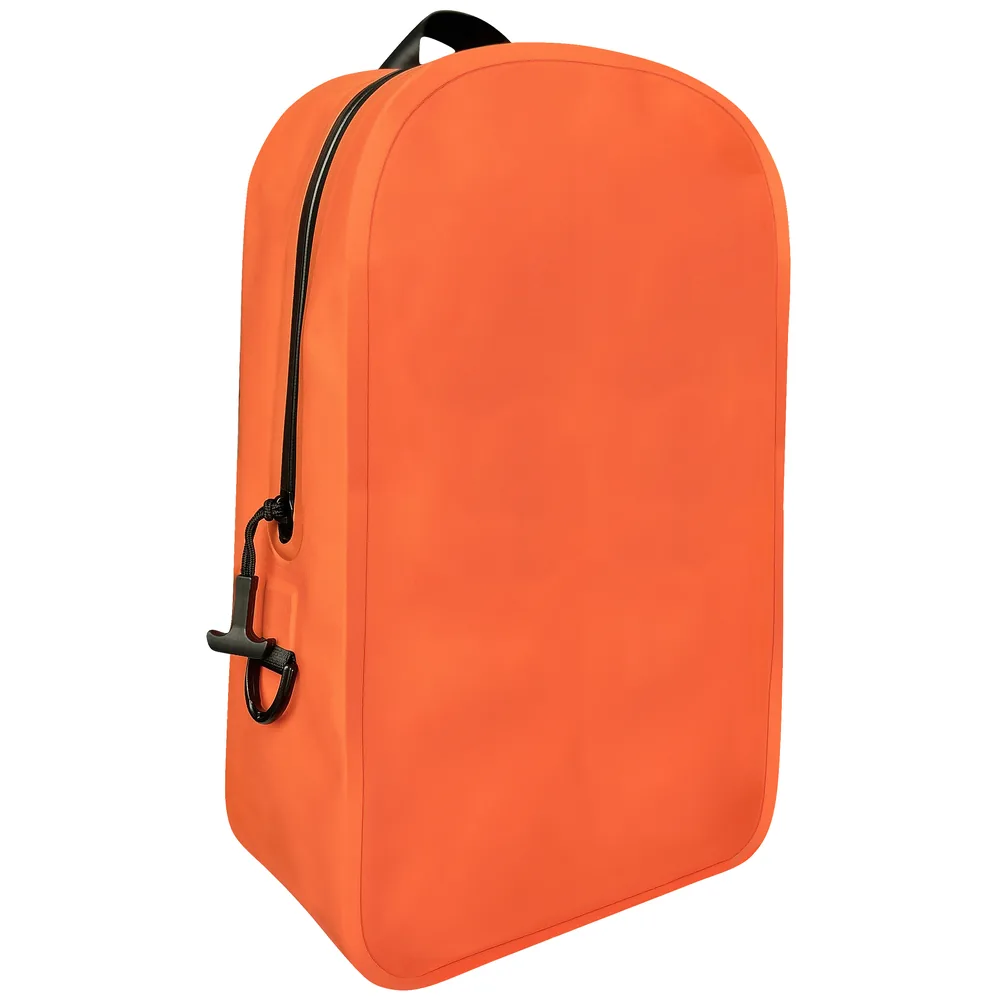
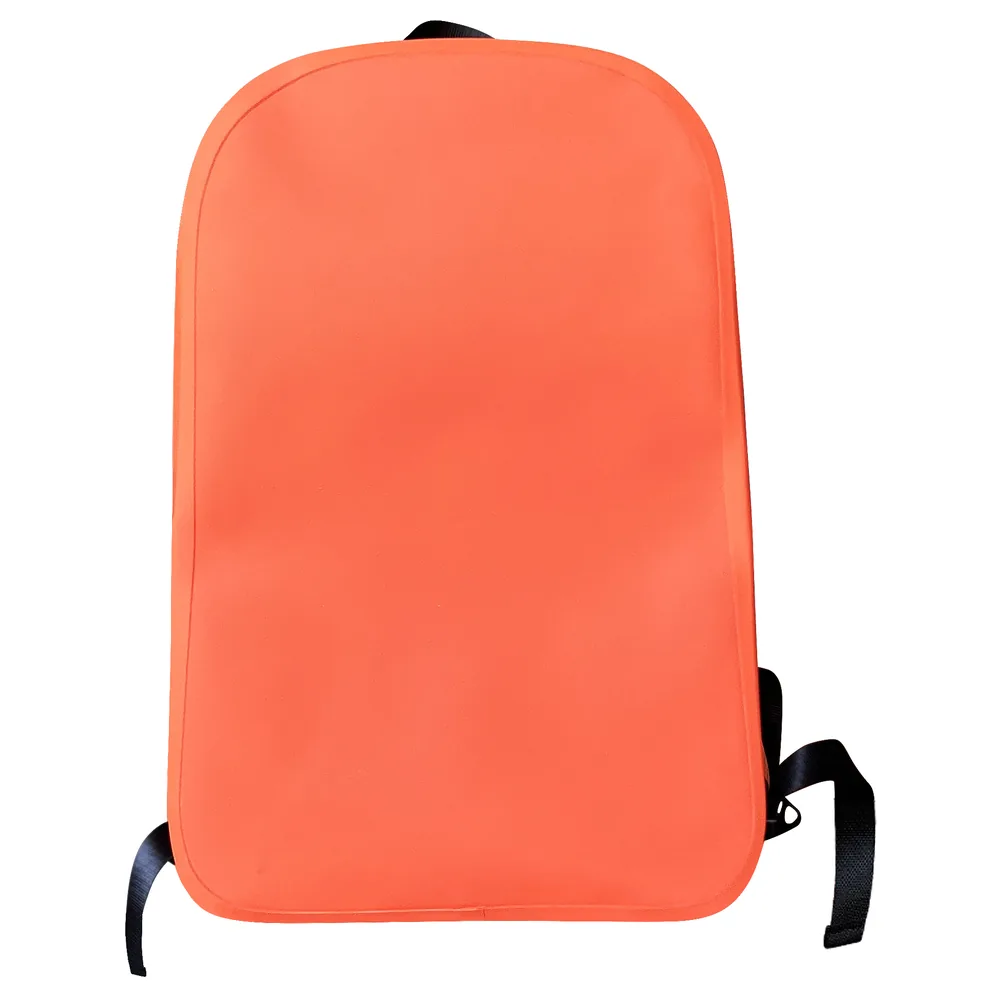
Surface material: Typically made from high-quality fabrics coated with waterproof layers—such as Nylon, Polyester (e.g., Oxford), Tarpaulin, or TPU. Upon contact with the surface, water beads up and rolls off (the "lotus leaf effect") without penetrating the fabric fibers.
Heat-welded seams: Instead of conventional stitching (which leaves needle holes that allow water seepage), fabric panels are joined using high-frequency heat welding technology, creating a seamless, completely airtight unit.
Water-resistant/Watertight zippers: The zipper system is usually coated with a layer of rubber or flexible PU to seal the gaps between the zipper teeth (such as specialized SBS or YKK zippers).
Every detail, considered
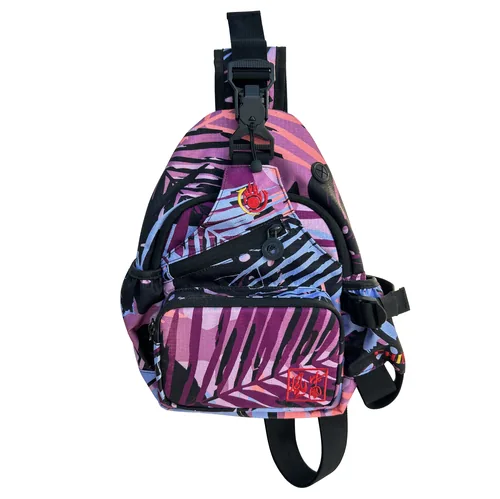
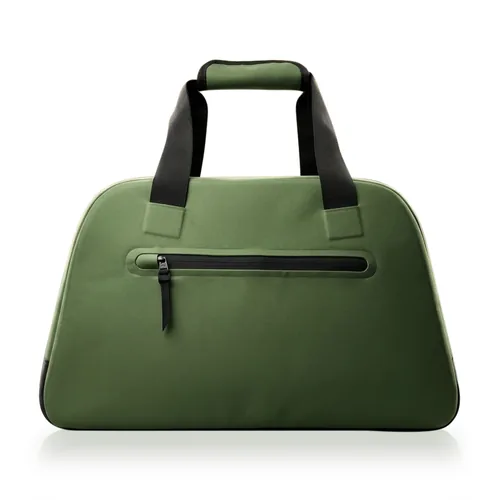
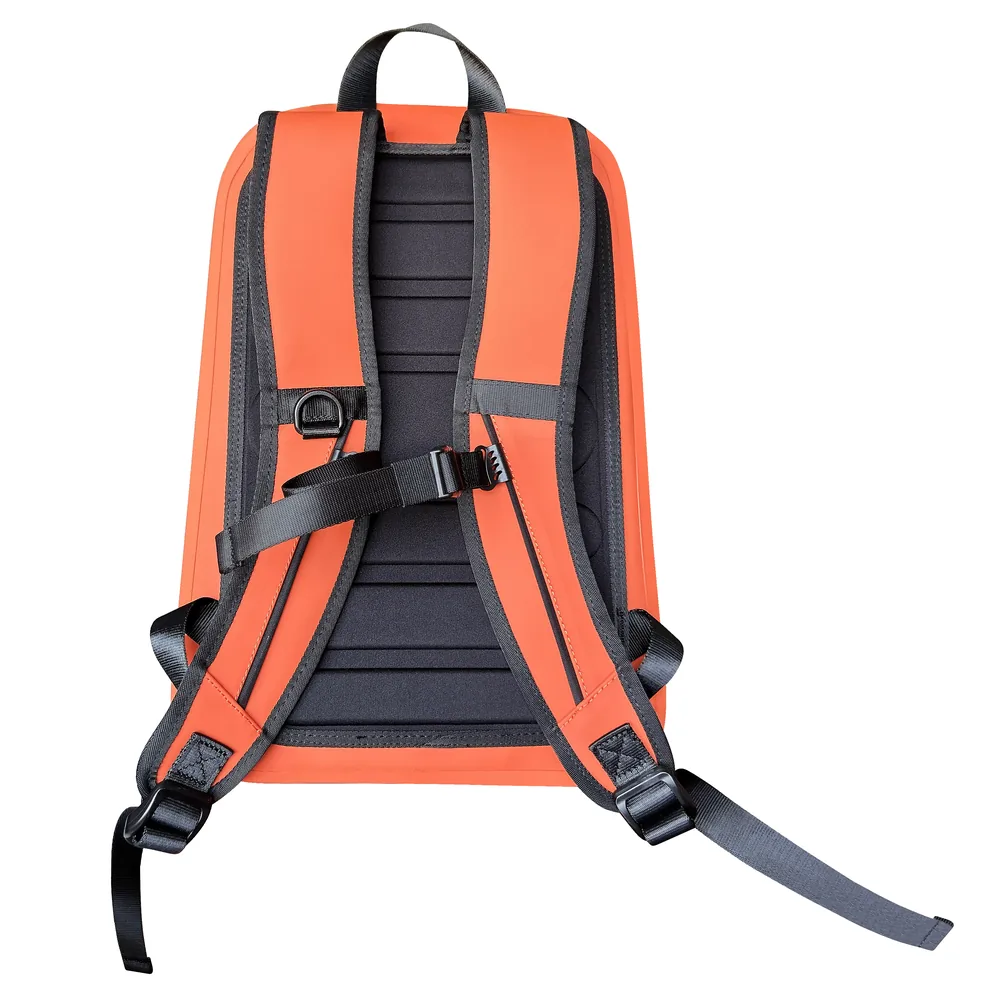
A waterproof backpack is specially designed using advanced materials and manufacturing technologies to completely or maximally prevent water from entering the interior. It serves to protect electronics (laptops, cameras, phones) and clothing during heavy rain or when engaging in water-based activities.
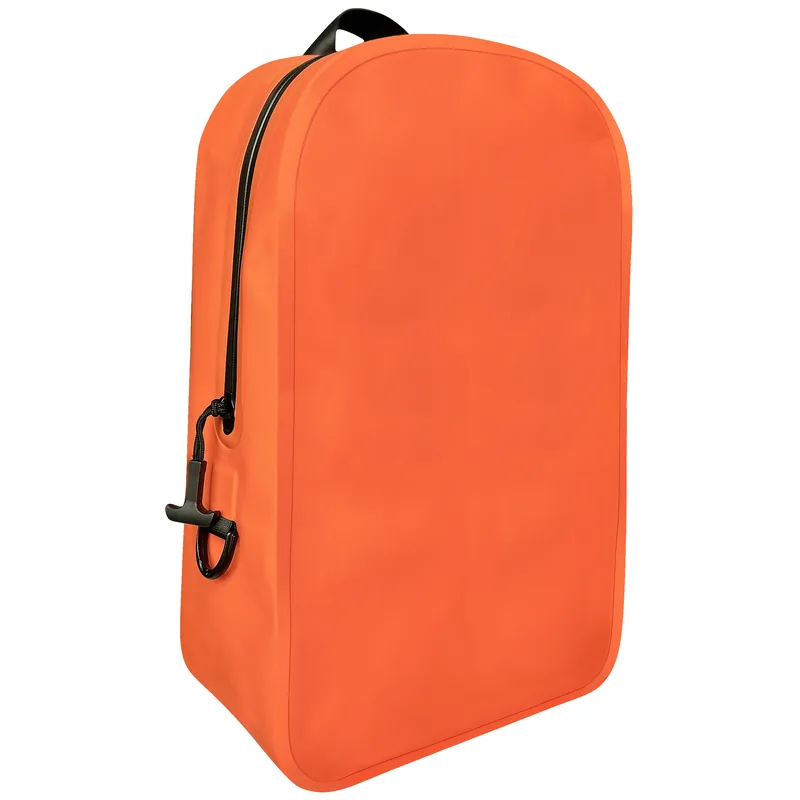
Key structural features
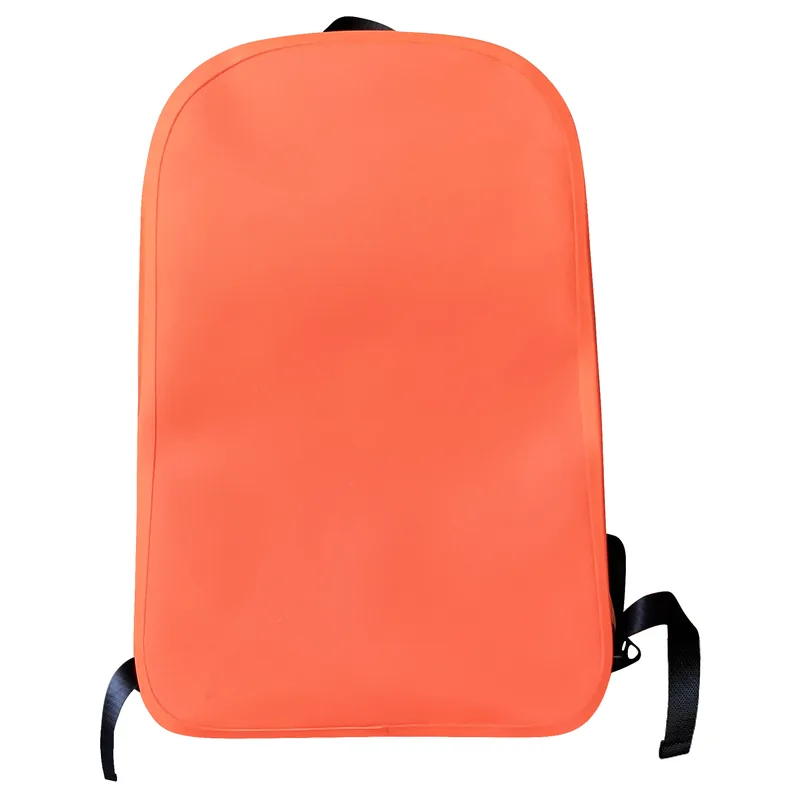
Surface material: Typically made from high-quality fabrics coated with waterproof layers—such as Nylon, Polyester (e.g., Oxford), Tarpaulin, or TPU. Upon contact with the surface, water beads up and rolls off (the "lotus leaf effect") without penetrating the fabric fibers.
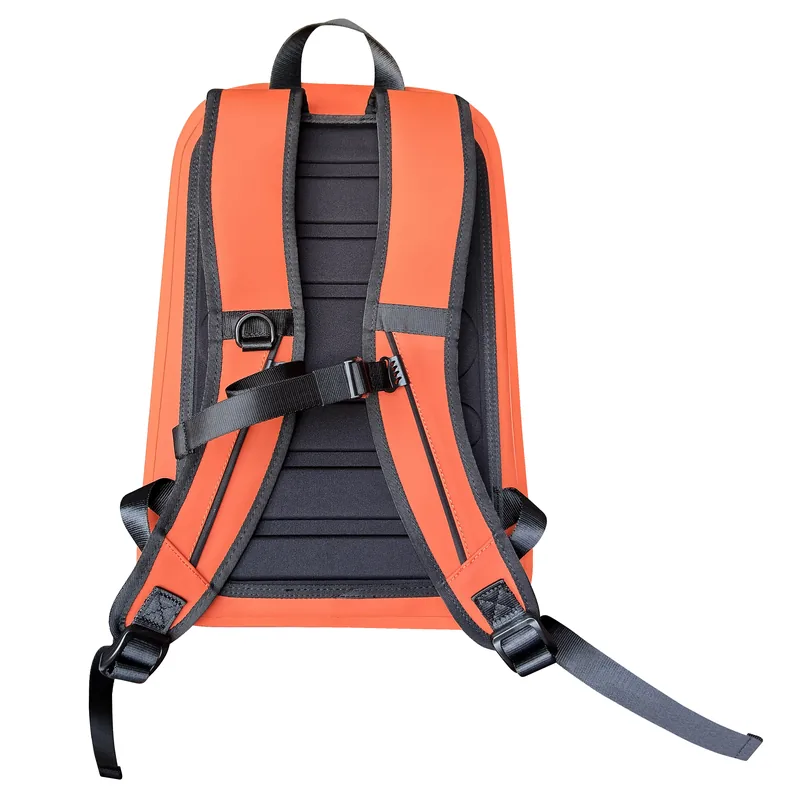
Heat-welded seams: Instead of conventional stitching (which leaves needle holes that allow water seepage), fabric panels are joined using high-frequency heat welding technology, creating a seamless, completely airtight unit.
Water-resistant/Watertight zippers: The zipper system is usually coated with a layer of rubber or flexible PU to seal the gaps between the zipper teeth (such as specialized SBS or YKK zippers).
 01 / 05